
Depression and Nutrition: Psychiatry Across Middle Georgia
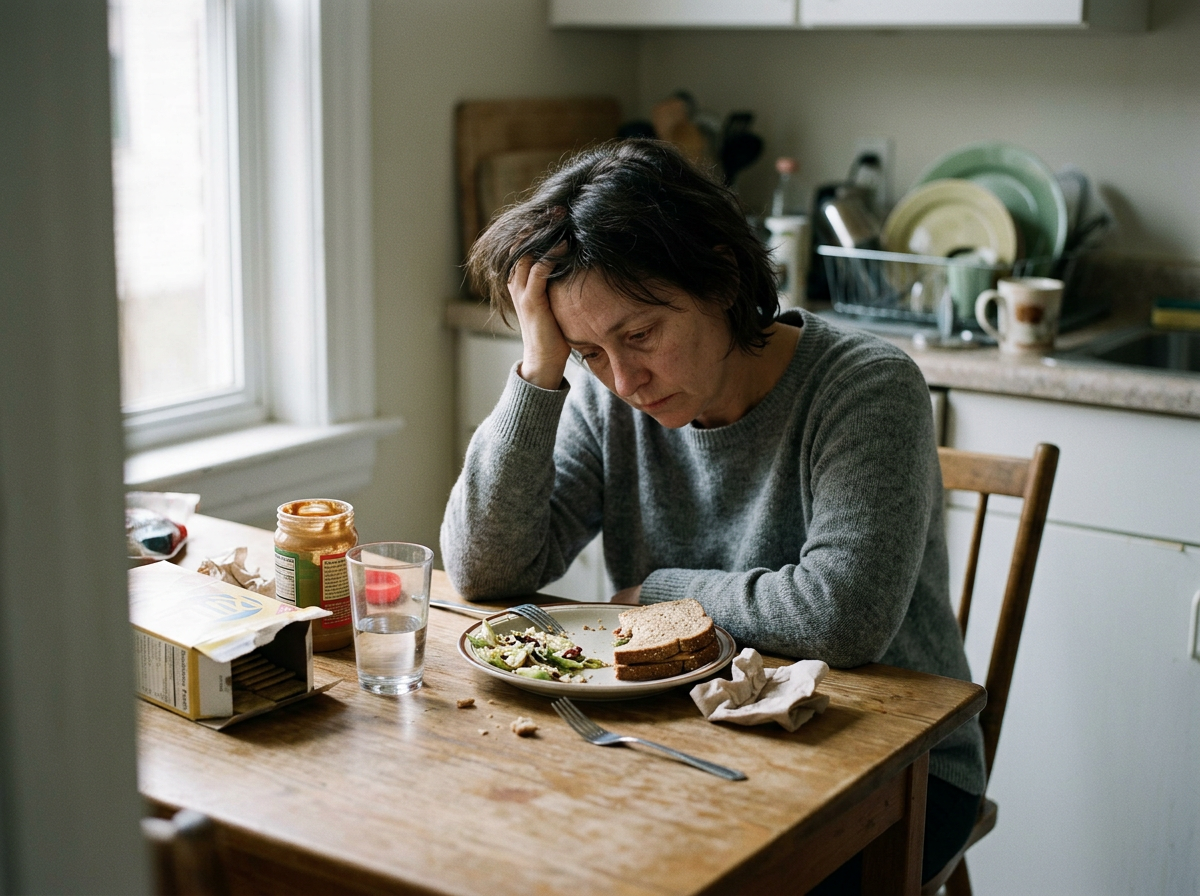
Depression and nutrition are often treated as two separate conversations. One happens in a psychiatric office, the other at the kitchen table. In real life, they overlap. Appetite, energy, sleep, and motivation all shift during a depressive episode, and those shifts change how a person eats, shops, cooks, and plans meals. For adults and families across Middle Georgia, from Dublin to Milledgeville, Warner Robins to Macon, understanding that overlap is a practical first step toward care that treats a whole person rather than a single symptom.
This article looks at how nutrition fits into psychiatric care, what a whole-person evaluation can include, and where people in the region can find a psychiatrist or prescriber. It also covers local resources, insurance questions, and what to ask before a first appointment.
Why Food and Mood Are Usually Discussed Together
Depression is not caused by one food, and it is not resolved by one either. What makes nutrition relevant is the way depression disrupts ordinary routines. Some people lose interest in eating. Others eat more than usual, sometimes without feeling hungry. Fatigue can make cooking feel impossible, and low mood can make a trip to the grocery store feel like a major project. Sleep problems, which often travel with depression, can lead to skipped meals and heavy late-night eating.
Medication can add another layer. Some people notice appetite or weight changes after starting or adjusting a psychiatric medication, which is one reason a good follow-up visit includes questions about eating patterns, not just mood scores. When a clinician understands what a patient is actually eating and why, it becomes easier to tell what is depression, what is a medication effect, and what is simply a practical barrier that can be solved.
That is also why nutrition questions belong in a psychiatric visit rather than in a separate silo. The brain runs on the same body that handles every other system, and a person who is undernourished, dehydrated, or living on irregular meals is starting from a harder place.
What Whole-Person Psychiatric Care Looks Like
Nourish Mind & Body Psychiatry is an outpatient psychiatric practice based in Dublin, Georgia, built around a whole-person model. Instead of separating mental health from physical health, the practice combines psychiatric evaluation, medication management, and attention to nutrition and physical health in the same care relationship. The framing the practice uses is simple: you are more than a diagnosis.
The practice serves adults as well as children and teens ages 6 to 18, through in-person visits and telehealth. Telehealth psychiatry is available across Georgia and North Carolina, which matters for families in smaller communities who would otherwise drive long distances for a follow-up appointment. Yearly progress summaries give patients and families a clear record of how treatment is going over time, rather than leaving them to reconstruct it from memory.
A whole-person approach does not mean replacing medication or therapy with lifestyle advice. It means asking about sleep, appetite, activity, stress, and physical health alongside mood and anxiety, then building a plan that accounts for all of it.
Conditions Frequently Treated Alongside Depression
Depression rarely arrives alone. Many people seeking care are also dealing with one or more of the following, and each one can influence eating, sleep, and energy:
Anxiety
ADHD
Bipolar spectrum conditions
PTSD and trauma-related symptoms
OCD
Sleep disorders
Psychotic symptoms
Co-occurring substance use
Because these conditions interact, an evaluation that looks only at mood can miss part of the picture. A treatment plan that ignores sleep or appetite can stall even when the medication is well chosen.
When Standard Treatment Is Not Enough
Some patients do not respond fully to first-line medication, and that is where interventional options and testing come in. Nourish Mind & Body Psychiatry offers interventional psychiatry including TMS, along with pharmacogenomic testing through GeneSight and QB testing. These tools are not a shortcut around the basics of sleep, nutrition, and daily routine, but they can help when a clinician needs more information to make a better decision.
If you have tried several medications without relief, it is reasonable to ask your provider whether any of these options apply to you, and what the process involves.
Finding a Psychiatrist in Dublin, Milledgeville, Warner Robins, and Macon
Middle Georgia has a mix of private practices, community agencies, and telehealth options. Availability changes often, so confirm current hours, insurance participation, and age ranges directly with each office before you plan around them.
Dublin and Laurens County
Nourish Mind & Body Psychiatry is based in Dublin and sees patients in person there, with telehealth extending across Georgia and North Carolina. The Community Service Board of Middle Georgia also operates two clinics in Dublin and Laurens County for behavioral health needs. Between a private practice and a community agency, Dublin residents generally have more than one path to an evaluation.
Milledgeville and Nearby Communities
The Community Service Board of Middle Georgia provides behavioral health services across Middle Georgia, with a focus on mental health, substance use, and intellectual and developmental disabilities for all ages. A published resource list from a Central Georgia news outlet notes that comprehensive outpatient mental health services are offered at the Dublin and Laurens County clinics and at an Eastman and Dodge County location.
For Milledgeville residents, the practical options are usually a Middle Georgia provider reached by a short drive or a telehealth appointment with a practice licensed in Georgia. Telehealth has become a real alternative for follow-up visits in particular, since it removes travel time without removing the clinical relationship.
Warner Robins
Middle Georgia Behavioral Health Center in Warner Robins can be reached at 478-929-0294, and the office staff can help with scheduling and with deciding which provider fits your needs. Providers listed in the Warner Robins area include Dr. Hoque, a board-certified psychiatrist with more than 15 years of experience in adult and child and adolescent psychiatry. LifeStance listings for Warner Robins describe medication management, psychiatric evaluation, and psychotherapy, with in-network insurance plans available. A community listing also notes trans-friendly doctors in Warner Robins offering sliding scale payments.
Macon
Macon has the deepest bench of psychiatric providers in the region. The Psychiatric Center has provided psychiatric care for Macon and surrounding communities since 1985. Middle Georgia Community Psychiatrists lists Dr. Dwight L. Bearden, MD at 478-745-9206, Macon Psychiatry at 478-733-2690, and the Center for Psychiatric Care in Macon at 478-405-9945. Dr. Stephen D. Mallary, MD is also listed among Middle Georgia community psychiatrists, along with the Psychiatric Center of Macon.
Middle Georgia Mental Health Resources at a Glance
Nourish Mind & Body Psychiatry - Dublin, plus telehealth across Georgia - Reach the practice through nourishmnb.com and by phone at 478-333-4193 - Psychiatric evaluation and medication management for adults and children and teens ages 6 to 18, with attention to nutrition and physical health
Middle Georgia Behavioral Health Center - Warner Robins- 478-929-0294 - Office staff help with appointments and choosing a provider
Community Service Board of Middle Georgia - Middle Georgia, with clinics in Dublin and Laurens County and in Eastman and Dodge County - Verify current contact details with the agency - Behavioral health and substance use services plus intellectual and developmental disability supports, all ages
The Psychiatric Center- Macon and surrounding communities- Verify current contact details with the practice - Providing psychiatric care in Macon since 1985
Middle Georgia Community Psychiatrists- Macon area 478-745-9206, 478-733-2690, 478-405-9945 - Several independent providers listed for the Macon area
Insurance, Cost, and Sliding Scale Options
Cost is one of the most common reasons people delay psychiatric care. It helps to ask a few direct questions when you call: Is the practice in network with my insurance plan? What will I owe if I have not met my deductible? Do you offer any sliding scale or reduced fee arrangements? Community agencies and community service boards frequently serve people regardless of insurance status, and some private listings specifically mention sliding scale payments.
If you are uninsured or underinsured, start by calling the Community Service Board of Middle Georgia and asking what programs you may qualify for. A published list of free and low cost mental health resources in Central Georgia is another place to gather options before you make calls, and it can be reviewed alongside the provider list above.
What to Ask Before Your First Appointment
Bringing a short list of questions to a first visit can make the appointment more useful. Consider asking:
What is my working diagnosis, and what else are you considering?
Which symptoms should improve first, and when should I expect to notice a change?
What side effects should I watch for, and which ones mean I should call right away?
Should my eating, sleep, or activity habits change as part of this plan?
Are there supplements, vitamins, or over-the-counter products I should check with you before using?
What happens if this treatment does not work, and what comes next?
If you are a parent or caregiver, add a question about how the plan will be explained to your child and what you should watch for at home.
Bringing Nutrition Into Treatment Without Overcomplicating It
Nutrition conversations go wrong when they turn into strict rules that a person with depression cannot realistically follow. A more workable approach starts with routine. Regular meals, steady hydration, and fewer long gaps between eating can stabilize energy in ways people notice quickly. Protein at breakfast, vegetables and fruit through the day, and fiber-rich foods are reasonable targets that most clinicians would support.
What matters just as much is what gets in the way. If shopping is exhausting, delivery or a family member helping with groceries may be more useful than a meal plan nobody can execute. If cooking feels overwhelming, simple assembly meals count. Progress beats perfection.
One caution applies here: check with your prescriber before adding supplements or herbal products, including those marketed for mood. Your provider can tell you whether a product is safe to take alongside your current medications and whether it adds any benefit.
Nutrition is one thread in a larger plan that may also include therapy, medication, sleep, movement, and human connection. It supports treatment. It does not replace it, and nobody should feel that a bad week of eating is the reason their depression is not improving.
Getting Started With Care in Middle Georgia
If depression is affecting your appetite, your sleep, your work, or your relationships, an evaluation is a reasonable next step. Nourish Mind & Body Psychiatry in Dublin sees adults and children and teens ages 6 to 18, in person and by telehealth across Georgia and North Carolina, and combines medication management with attention to nutrition and physical health. You can start through the practice website, or call a local provider from the list above and ask what the first appointment involves.
Frequently Asked Questions
Can nutrition alone treat depression?
No. Better eating habits can support energy, sleep, and overall health, but depression is a medical condition that usually benefits from a proper evaluation and a treatment plan. A psychiatric assessment helps clarify what is happening and which options fit, which may include therapy, medication, or other interventions. Food belongs in the plan as a support, not as a substitute for care.
How do I find a psychiatrist near Macon or Warner Robins?
Start with the Middle Georgia providers listed above. Middle Georgia Behavioral Health Center in Warner Robins can be reached at 478-929-0294, and Macon options include The Psychiatric Center, Dr. Dwight L. Bearden, MD, Macon Psychiatry, and the Center for Psychiatric Care. Availability and insurance participation change often, so confirm details directly with each office before scheduling.
Can I see a psychiatrist by telehealth in Middle Georgia?
Yes, telehealth psychiatry is widely available in the region, and Nourish Mind & Body Psychiatry offers virtual visits across Georgia and North Carolina. Telehealth works well for follow-up appointments, medication adjustments, and check-ins. Confirm that the practice is licensed in your state and that your insurance covers virtual visits before your first appointment.
What if I cannot afford psychiatric care?
Ask about sliding scale fees and reduced cost programs when you call. The Community Service Board of Middle Georgia provides behavioral health services across the region, and a published list of free and low cost mental health resources in Central Georgia is another starting point. Cost should not be the reason you go without an evaluation, so make the calls and ask directly.
Should I ask my psychiatrist about nutrition?
Yes. A prescriber who knows about your eating patterns, appetite changes, and any supplements you take can make safer and better informed decisions about medication. Bring it up at your next visit, even briefly. Small details about skipped meals, weight changes, or low appetite often explain a lot about how treatment is working.
